
These KJV Bible verses about anger reveal the danger of uncontrolled emotion, the call to restraint, and the importance of self-control.
Be Slow to Anger — Not Led by Emotion
Anger is a powerful emotion, but Scripture warns against allowing it to take control. The Bible does not ignore anger—it teaches how to handle it. Left unchecked, it can lead to sin and damage relationships. God calls us to exercise restraint, patience, and wisdom, reminding us that reacting without control leads to consequences.
These verses are presented together to reveal a unified biblical perspective on anger—not just isolated references.
Psalms 37:8 (KJV)
Cease from anger, and forsake wrath: fret not thyself in any wise to do evil.
Proverbs 14:29 (KJV)
He that is slow to wrath is of great understanding: but he that is hasty of spirit exalteth folly.
Proverbs 15:1 (KJV)
A soft answer turneth away wrath: but grievous words stir up anger.
Proverbs 15:18 (KJV)
A wrathful man stirreth up strife: but he that is slow to anger appeaseth strife.
Proverbs 16:32 (KJV)
He who is slow to anger is better than the mighty, And he who rules his spirit than he who takes a city.
Proverbs 19:11 (KJV)
The discretion of a man deferreth his anger; and it is his glory to pass over a transgression.
Proverbs 29:11 (KJV)
A fool uttereth all his mind: but a wise man keepeth it in till afterwards.
Shift Your Mindset — Self-control is not weakness. It is spiritual strength under pressure.

Proverbs 20:3 (KJV)
It is an honour for a man to cease from strife: but every fool will be meddling.
Proverbs 17:14 (KJV)
The beginning of strife is as when one letteth out water: therefore leave off contention, before it be meddled with
Proverbs 18:6 (KJV)
A fool’s lips enter into contention, and his mouth calleth for strokes.
Proverbs 22:24 (KJV)
Make no friendship with an angry man; and with a furious man thou shalt not go:
Proverbs 29:22 (KJV)
An angry man stirreth up strife, and a furious man aboundeth in transgression.
Proverbs 26:21 (KJV)
As coals are to burning coals, and wood to fire; so is a contentious man to kindle strife.
Ephesians 4:26 (KJV)
Be ye angry, and sin not: let not the sun go down upon your wrath:
James 1:20 (KJV)
For the wrath of man worketh not the righteousness of God.
Anger, when not controlled, can quickly lead us away from truth. Scripture teaches that strength is found in restraint, not reaction. Learning to manage anger protects your relationships, your decisions, and your spiritual walk. When guided by God’s Word, you gain the ability to respond with wisdom instead of emotion.
These scriptures have been carefully selected to provide clarity, conviction, and guidance—helping you understand and control anger according to God’s Word.
Do You Really Understand What the Bible Says About Anger?
Take The Quiz

Anger Bible Quiz — What Does Scripture Really Say?
Continue Exploring What Scripture Says


Apply What You’ve Read — Grow in Truth
- Guard Your Heart – Steps Towards Eternity Daily Devotional
- The Power of Walking in the Spirit – Steps Towards Eternity Devotional
- “Bitterness Will Survive Without You – Steps Towards Eternity Daily Devotional
- Responding to Evil with Blessing – Steps Towards Eternity Daily Devotional
- Be Angry and Sin Not
- Stay With Me: An Invitation to Peace and Everlasting Life
- Love Your Enemies, Let God Fight Your Battles – Steps Toward Eternity Daily Devotional
If you would like additional verses on anger, visit our Bible Search page.
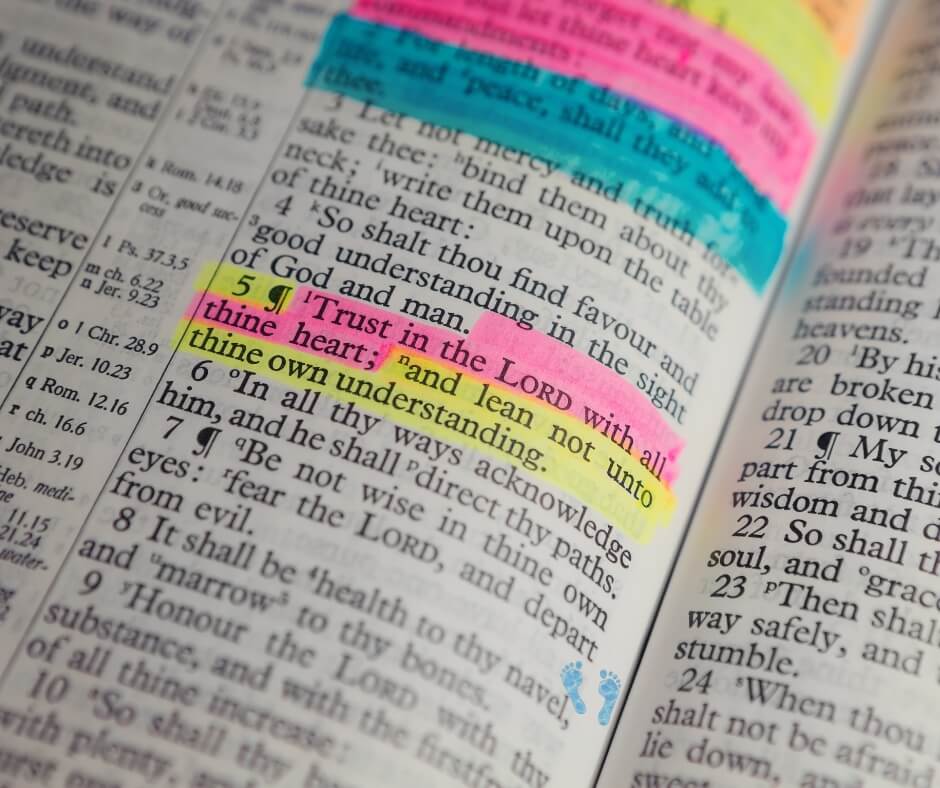
No matter what life brings, there’s a scripture for it.
Search God’s Word and find exactly what you need, right when you need it.
Scriptures marked KJV are taken from the KING JAMES VERSION (KJV): KING JAMES VERSION, public domain in The United States. Pathway365 is based in the United States and is governed by its laws. Outside of the United States, you’ll need to check the copyright laws in your country before use.
Scripture quotations from The Authorized (King James) Version. Rights in the Authorized Version in the United Kingdom are vested in the Crown. Reproduced by permission of the Crown’s patentee, Cambridge University Press